Technical Blog | Medical Device Cleanrooms
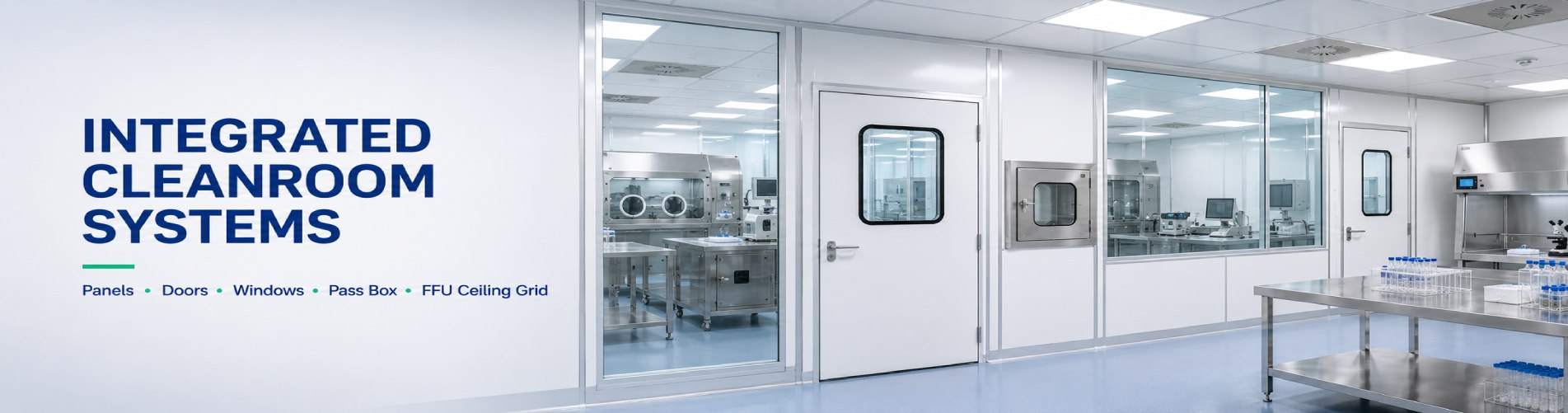
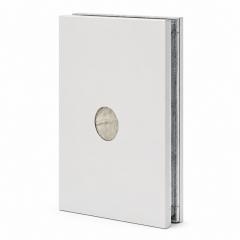
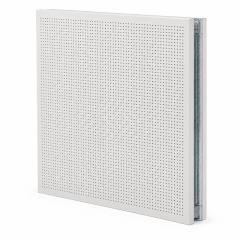
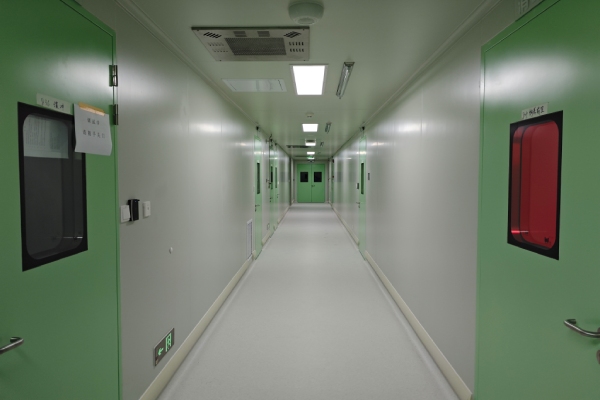
ISO 8 medical device assembly areas need cleanroom wall panels that support repeatable cleaning, controlled personnel flow, visible supervision and stable pressure boundaries without turning doors, windows and partitions into weak points.
cleanroom wall panels gmp clean room panels cleanroom doors modular cleanroom
Medical lab wall panels are often specified after the process layout is already nearly fixed. That is risky. In ISO 8 device assembly, wall panels, vision windows, cleanroom doors and cleanable partitions influence how operators move, how supervisors observe the line, how materials transfer and how surfaces are cleaned after each batch or shift.
ISO 8 Planning
ISO 14644-1 classifies cleanrooms by airborne particle concentration. For ISO 8 device assembly, the wall panel system does not create the class by itself, but it helps protect the environment by reducing particle traps, uncontrolled leakage and cleaning blind spots.
Before choosing medical lab wall panels, define the process route for components, operators, finished devices, rejects, cleaning tools and maintenance access. A wall line that looks tidy on a plan may be wrong if it forces operators to cross material routes or makes inspection windows too small for visual control.
Wonclean cleanroom wall systems should therefore be coordinated with the room classification, personnel routes, door swing, observation needs, HVAC return path and pressure cascade before fabrication.
Wall System Matrix
The weakest points in a wall system are usually not the center of the panel. They are the edges: door frames, vision window frames, corner coving, ceiling junctions and service penetrations. For medical device assembly, these interfaces need flush surfaces, sealed joints and replacement logic in case a panel or frame is damaged.
| Interface | Cleanroom risk | Recommended detail |
|---|---|---|
| Panel joint | Particle trap, cleaning shadow or pressure leak. | Flush joint, compatible sealant and inspection record. |
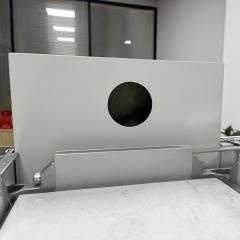
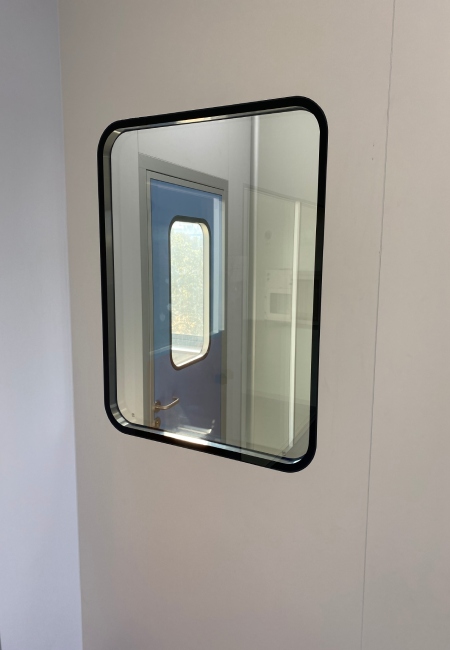
| Vision window | Ledges, poor supervision or difficult cleaning. | Flush glazing, sealed frame and clear observation height. |
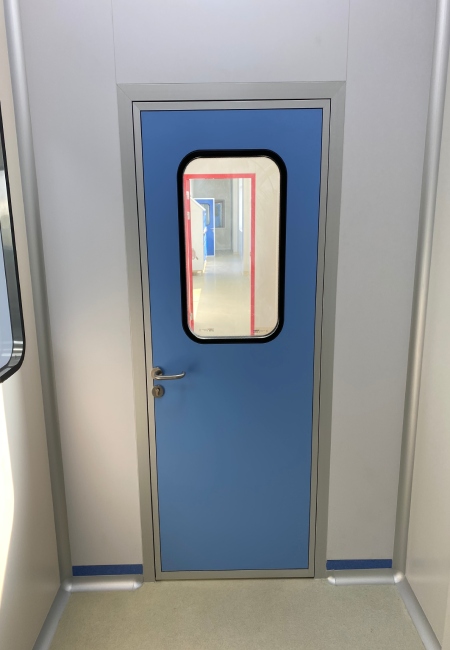
| Cleanroom door | Pressure loss, gasket wear or traffic conflict. | Smooth leaf, stable frame, gasket inspection and correct swing. |
| Partition base | Dirt accumulation at floor transition. | Coved or cleanable base detail with documented seal. |
Quality System View
For medical devices marketed in the United States, 21 CFR Part 820 sets out the Quality Management System Regulation for finished devices. The cleanroom article does not replace quality system requirements, but the facility should support controlled manufacturing, handling, storage and cleaning activities.
This is where pharmaceutical clean room panels and gmp clean room panels become more than product names. The wall system should make routine inspection easier, reduce uncontrolled repair work, allow damaged sections to be replaced and help operators follow the process route defined by the quality team.
A practical project package should include panel drawings, door and window schedules, sealant data, cleaning compatibility, as-built photos and acceptance checks linked to room use.
Operations and Maintenance
ISO 14644-4 is relevant because it addresses cleanroom design, construction and start-up. In medical device assembly, the design should anticipate not only the first validation, but also repeated cleaning, layout adjustment and replacement of worn components.
Wonclean wall panels can be used in modular cleanroom layouts where future change is expected. The important step is to document panel identity, frame details, removable sections and re-sealing steps so maintenance does not create uncontrolled gaps or undocumented material changes.
Technical Fact Check
Referenced Technical Standards
FAQ
They should provide cleanable surfaces, stable joints, compatible sealants, controlled door and window interfaces and documentation that supports routine inspection.
They can if they create ledges or poor seals. Flush vision windows with sealed frames reduce this risk and improve supervision.
They are specified as part of a controlled environment, with attention to cleanability, sealing, surface durability and compatibility with the process risk.
Yes. Panel layout, joint checks, door and window interfaces, sealants and as-built photos help future maintenance and change control.

 上海市青浦區外青松公路7548弄588號
 Info@wonclean.com
Allen@wonclean.com
Joy@wonclean.com
Info@wonclean.com
Allen@wonclean.com
Joy@wonclean.com
 +86 13671979988(Allen)+86 15950938878(Joy)



 線上服務
線上服務

