Technical Article | Cleanroom Wall Panels
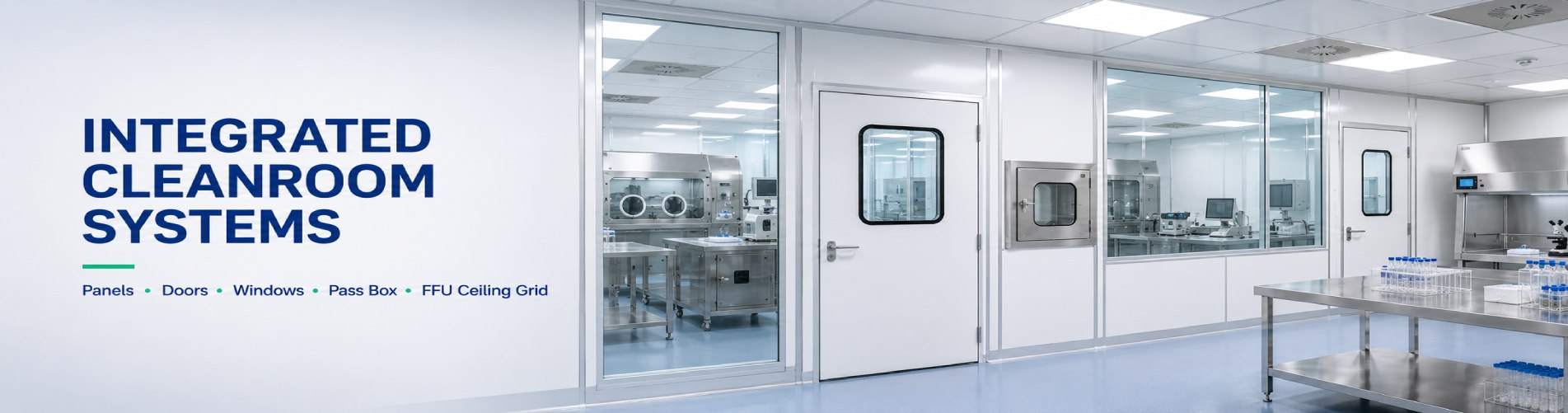
Fiberglass wall panels are often considered when a clean zone needs washable surfaces, moisture resistance and a stable enclosure without turning every room into a high-grade production cleanroom. The real design work is in the details: panel backing, insulation, joints, edges, doors, return air points and how the surface behaves after repeated cleaning.
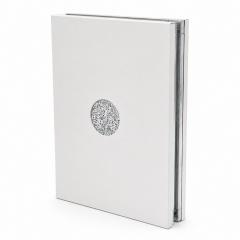
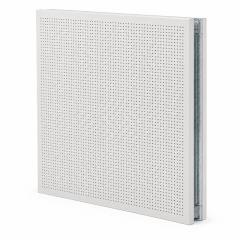
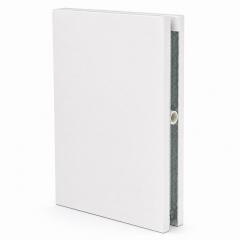
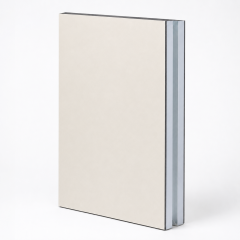
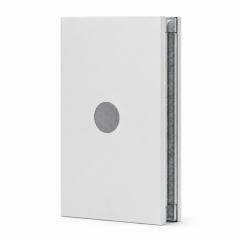
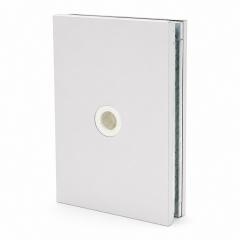
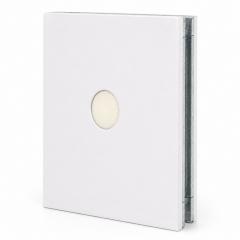
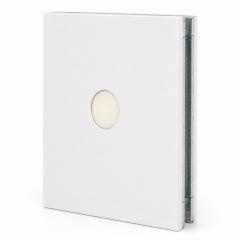
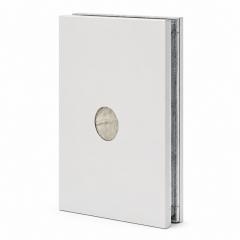
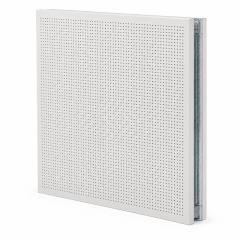
fiberglass wall panels insulated fiberglass panels clean room panel material
A clean zone wall is not only a partition. It is part of the room envelope that helps control moisture, dust accumulation, cleaning recovery and service life. For electronics assembly, medical device packaging, laboratory support rooms and controlled storage areas, the right panel specification can prevent many small failures that are expensive to correct after equipment moves in.
Material Logic
The term fiberglass wall panels can describe different constructions, from glass-fiber reinforced skins to insulated wall assemblies that use fiberglass-related materials as part of the panel build-up. Before comparing products, the project team should define what the wall will face: humidity, cleaning liquid, impact from carts, electrical service channels, pressure leakage and how often the room must be wiped down.
In a dry electronics assembly area, the main concerns may be surface dusting, static behavior, dimensional stability and easy cleaning. In a wet support room, the same panel may need better edge protection, sealed penetrations and moisture-tolerant backing. In a controlled medical packaging area, the focus may shift to smoothness, low ledges, documented materials and repeatable visual inspection.
This is why a clean room panel material should be specified by performance requirements instead of a single product label. Wonclean usually reviews panel surface, core, profile and project interfaces together so the final wall behaves as a maintainable cleanroom envelope.
Moisture Control
Most moisture failures do not begin in the middle of a flat panel face. They begin at exposed edges, floor junctions, ceiling returns, door frames, pass-through boxes, sockets, pipe penetrations and service openings. If water or cleaning solution can migrate into those points, a panel that looks suitable on paper may lose stiffness or create hidden hygiene problems.
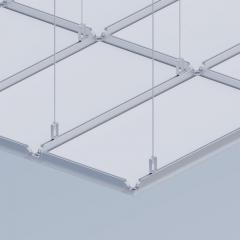
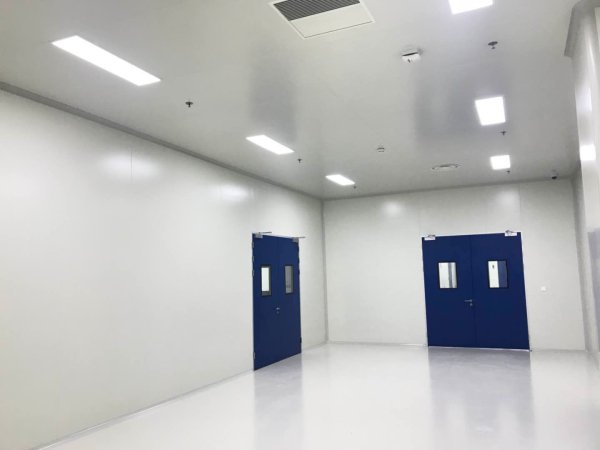
For washable clean zones, the detail should include sealed vertical joints, compatible sealant, protected bottom edges, a coved or easy-clean base, and careful coordination with air return grilles. Where wall panels connect to ceilings, the joint must allow installation tolerance while still avoiding open gaps and particle traps.
| Design Point | Why It Matters | Practical Check |
|---|---|---|
| Bottom edge | Receives mop water, cleaning splash and impact. | Confirm base detail, sealant and floor transition. |
| Openings | Frames interrupt the panel skin and insulation layer. | Review door, window, socket and pass-through interfaces. |
| Vertical joints | Poor joints collect residue and leak air. | Check alignment, seal continuity and cleanability. |
Insulation
Insulated fiberglass panels are useful when the clean zone has temperature difference across the wall, nearby outdoor air exposure, conditioned corridors or process equipment that changes room heat load. Insulation is not only about energy saving. It can also reduce cold spots that lead to condensation, staining and repeated cleaning difficulty.
The insulation strategy should be checked together with the HVAC design. A panel with good thermal performance can still create condensation if supply air direction, return air position or pressure balance is wrong. Likewise, a stable wall system can lose performance if service penetrations cut through the insulated layer without sealing and protection.
For projects that need later expansion, insulated wall panels should also be reviewed for demountability. If panels may be opened for new utilities or moved to change room boundaries, the profile and sealing method should support controlled work without damaging the surrounding envelope.
Washable Surface
A washable wall is not simply a glossy wall. The surface should tolerate the cleaning method, resist visible abrasion, avoid flaking and keep joints tight after routine wiping. If the surface texture is too rough, dust and residue can remain. If it is too delicate, operators may avoid proper cleaning because the finish marks easily.
Panel color also matters. White and light grey surfaces make residue easier to see, but they can reveal scratches and stains quickly. A good specification should state the cleaning agent, frequency, visual acceptance criteria and whether surface repair is acceptable inside the controlled zone.
This is where a supplier's project experience matters. Wonclean can match wall panel faces, doors, windows, return grilles and ceiling interfaces so the final installation is easier to inspect and maintain.
Specification Checklist
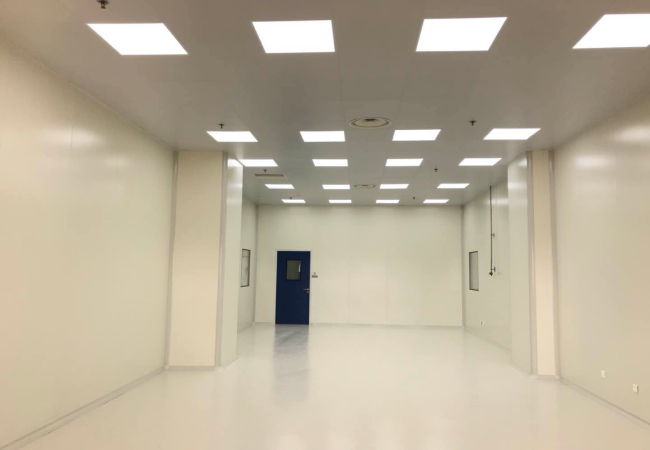
When these items are fixed early, fiberglass wall panels can serve as a practical clean room panel material for controlled environments that need reliable washing, moderate insulation and a tidy professional finish.
FAQ
No. They should be selected according to room class, cleaning chemistry, humidity, impact risk and interface details. Some zones may need coated steel, HPL, stainless steel or another panel surface.
Fiberglass wall panels describe the wall material or face concept. Insulated fiberglass panels emphasize thermal performance and condensation control as part of the wall assembly.
Failures often start at joints, bottom edges, doors, windows, sockets, return air grilles and service penetrations, not at the middle of a flat panel.
Yes. Wonclean can coordinate wall panels with cleanroom doors, windows, ceilings, air return points and modular cleanroom layouts for project-based delivery.

 上海市青浦區外青松公路7548弄588號
 Info@wonclean.com
Allen@wonclean.com
Joy@wonclean.com
Info@wonclean.com
Allen@wonclean.com
Joy@wonclean.com
 +86 13671979988(Allen)+86 15950938878(Joy)


 線上服務
線上服務

