
創建

員工

年營業額(百萬)

合作國家
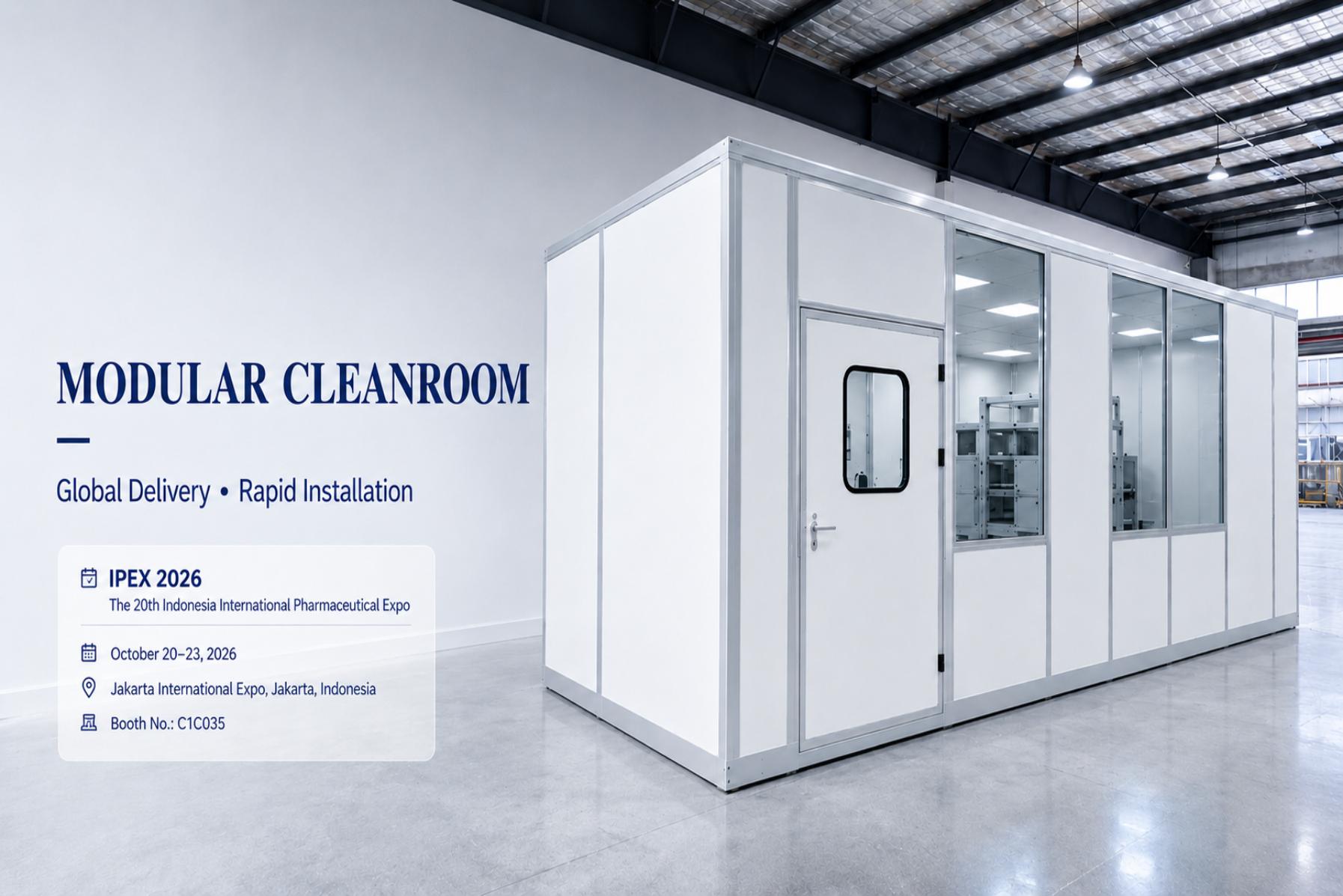
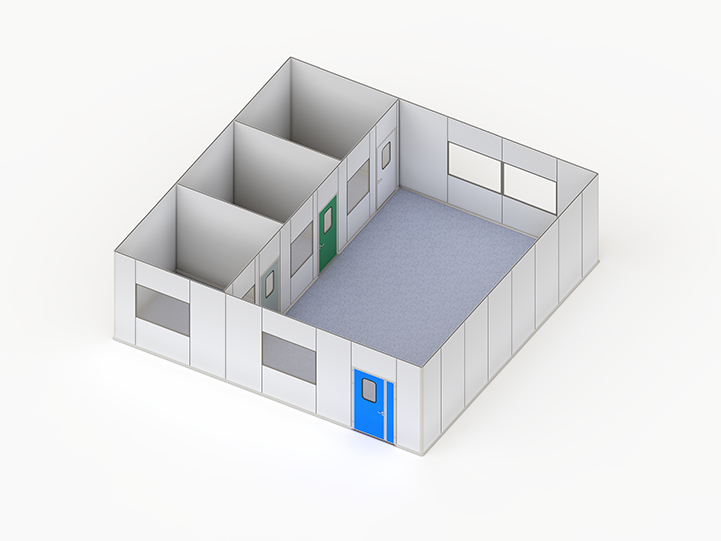
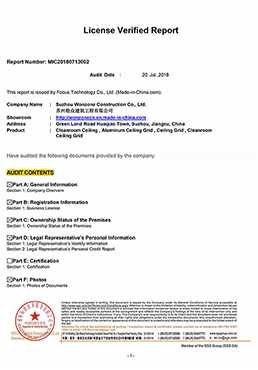
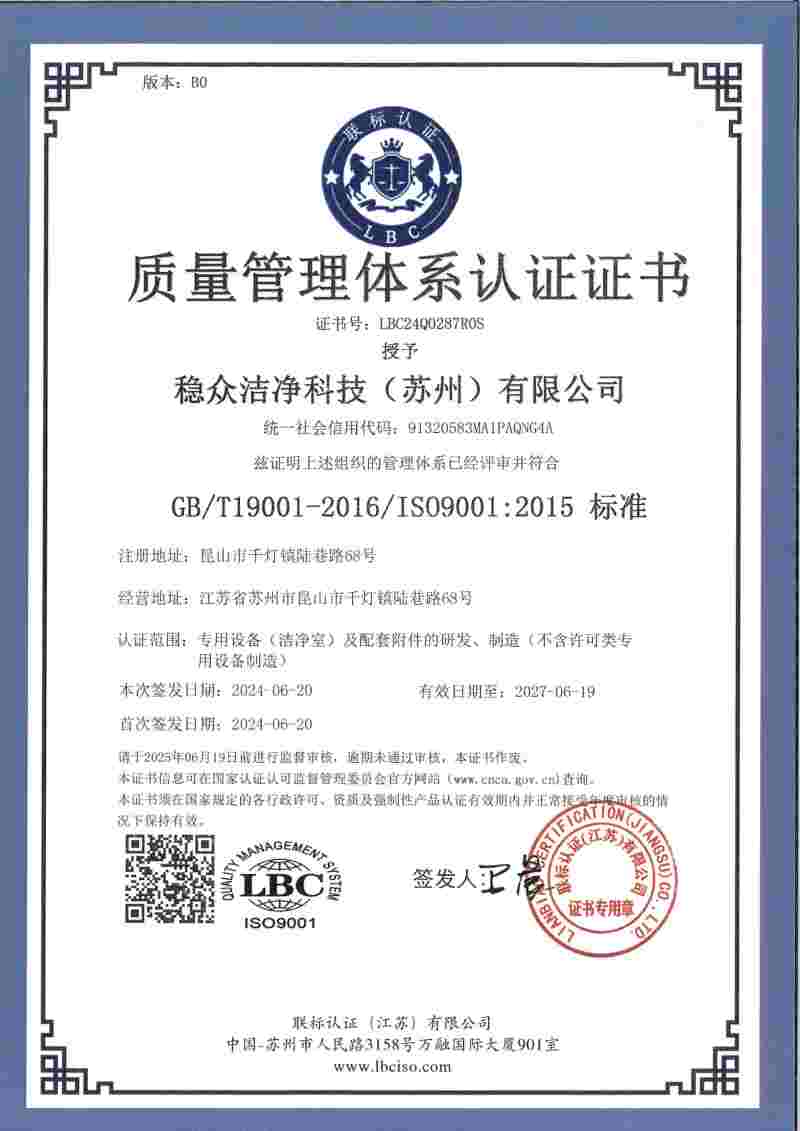
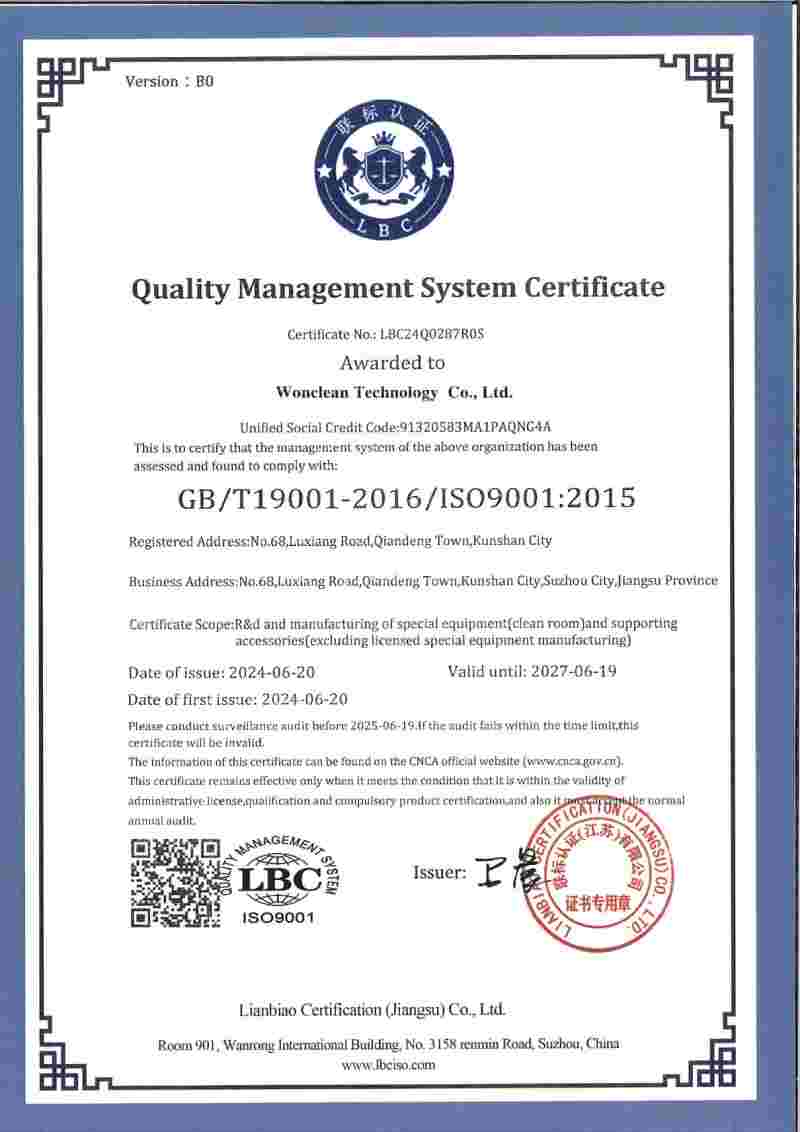
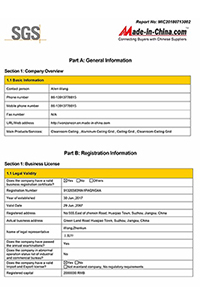
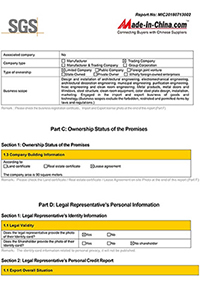
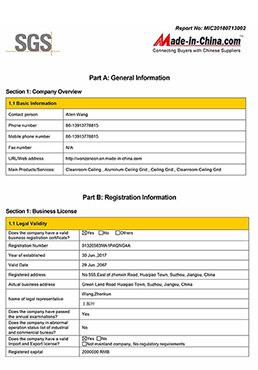
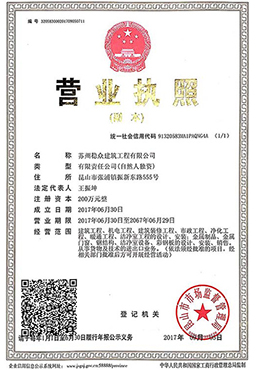
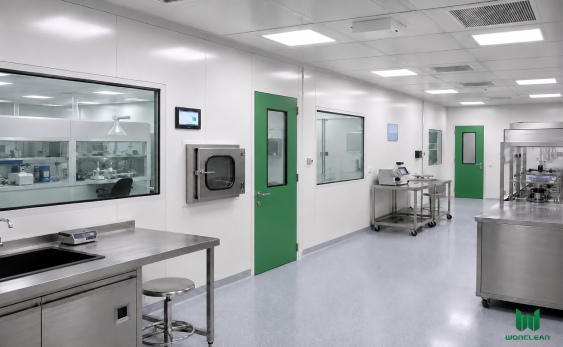
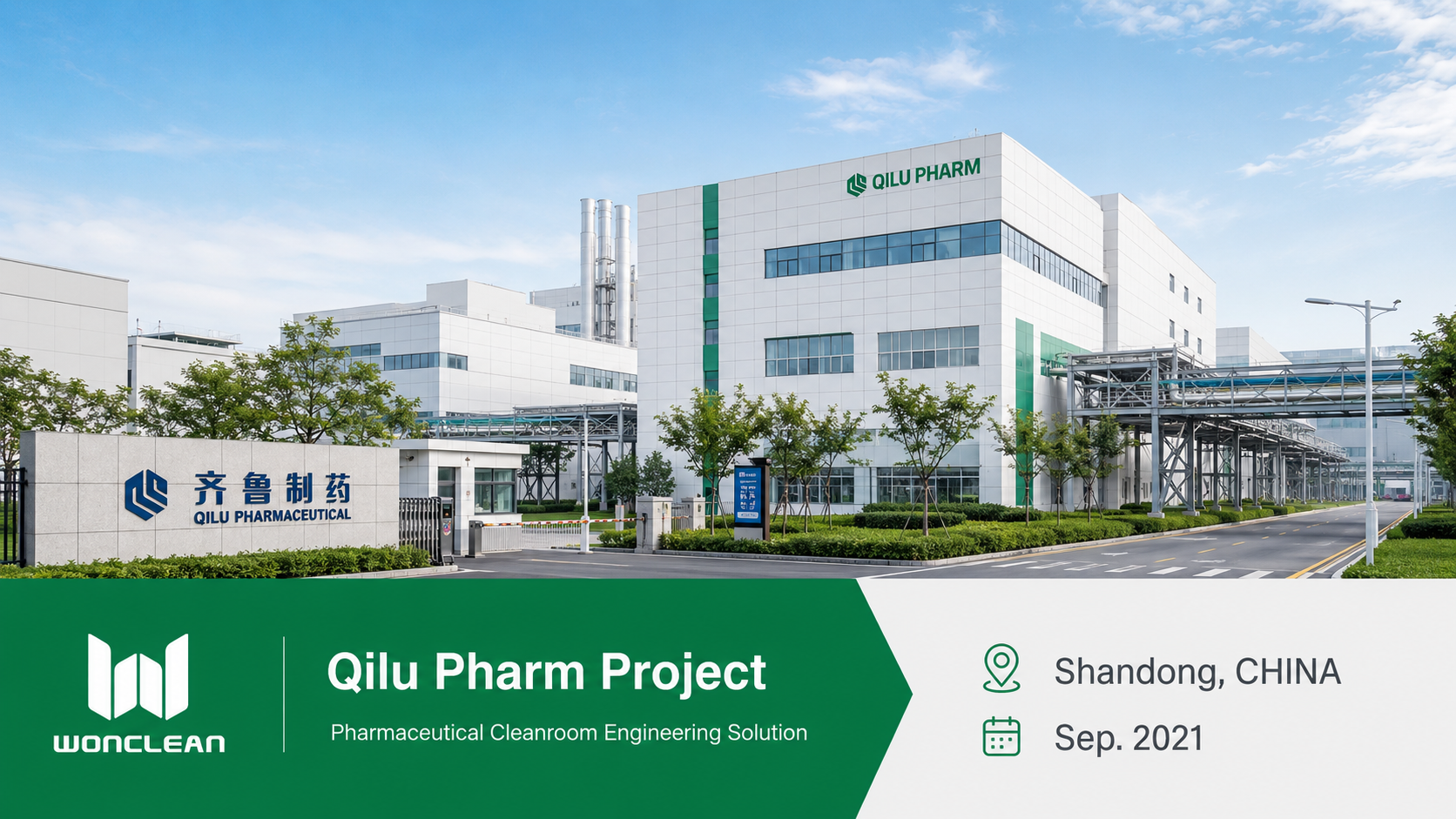
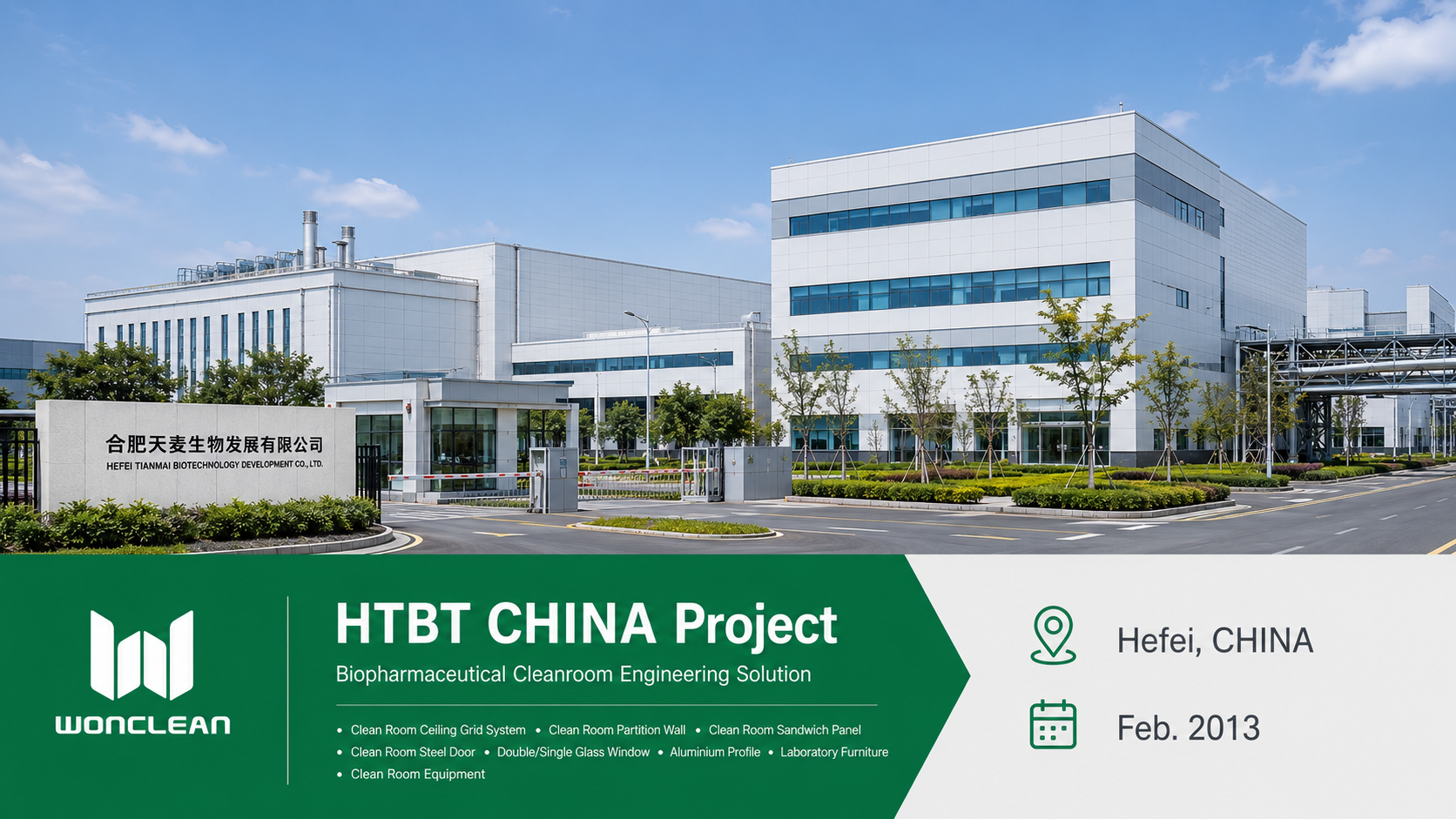
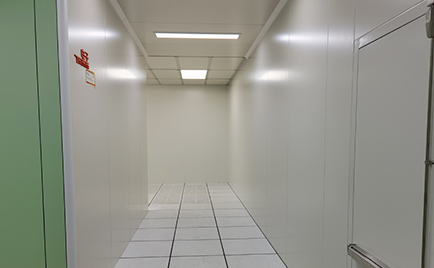
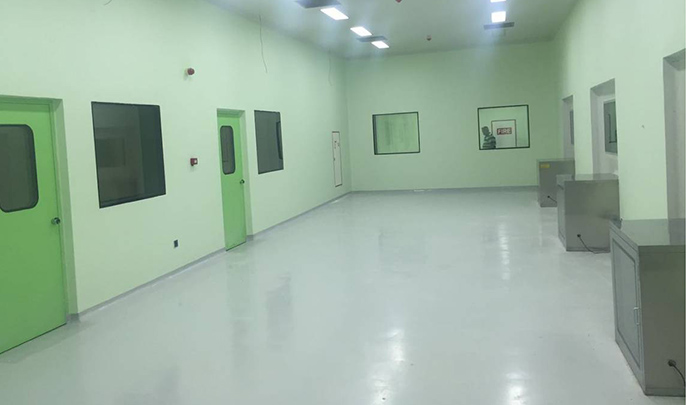
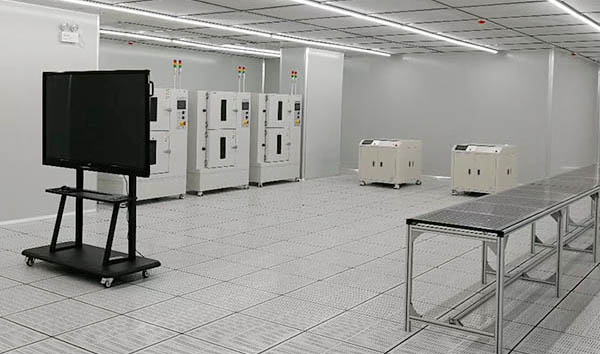
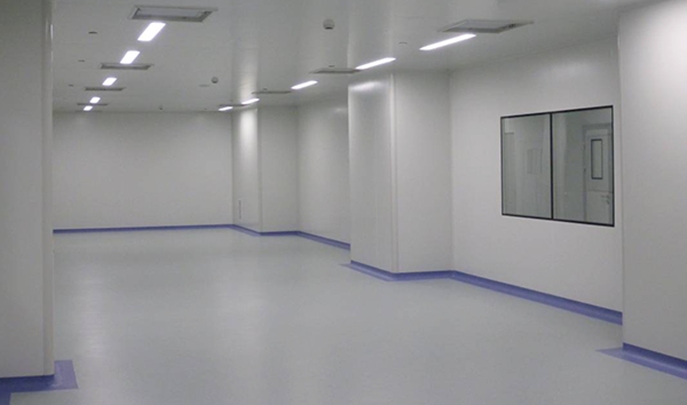
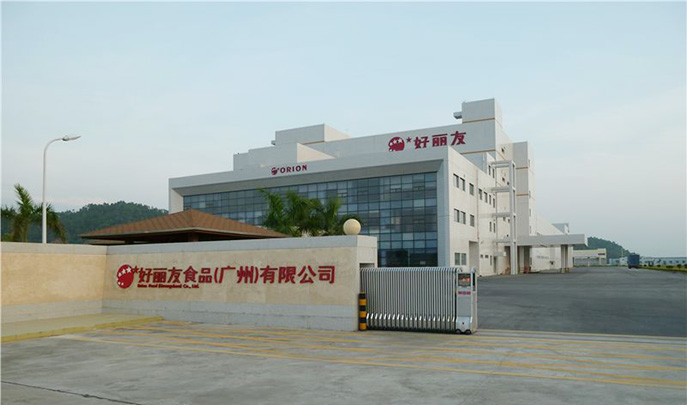
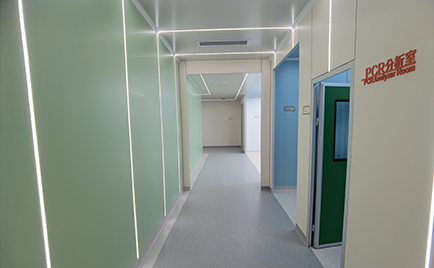
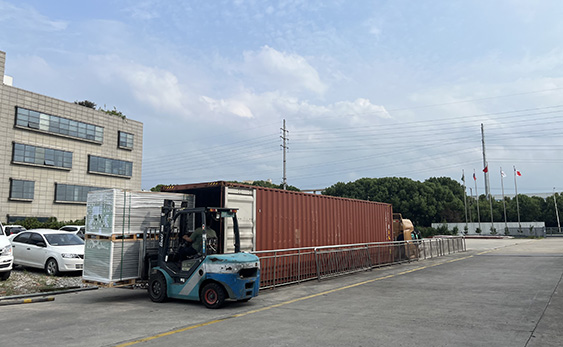
我們的工廠位於中國江甦的Kunshan。 它的建築工程廠關注的是設計和建造清潔室。為信息電子,藥品,食品,化妝品,軍事行業,化學工業等提供專業且經濟的合理建築計劃和服務。
超過17年的清潔室經驗專業和技術團隊。
“從事實,服務合作中尋求真相”業務哲學。做應該做的事情確保建立每個優質的項目。
商業範圍:清潔室。機電。 裝飾工程。
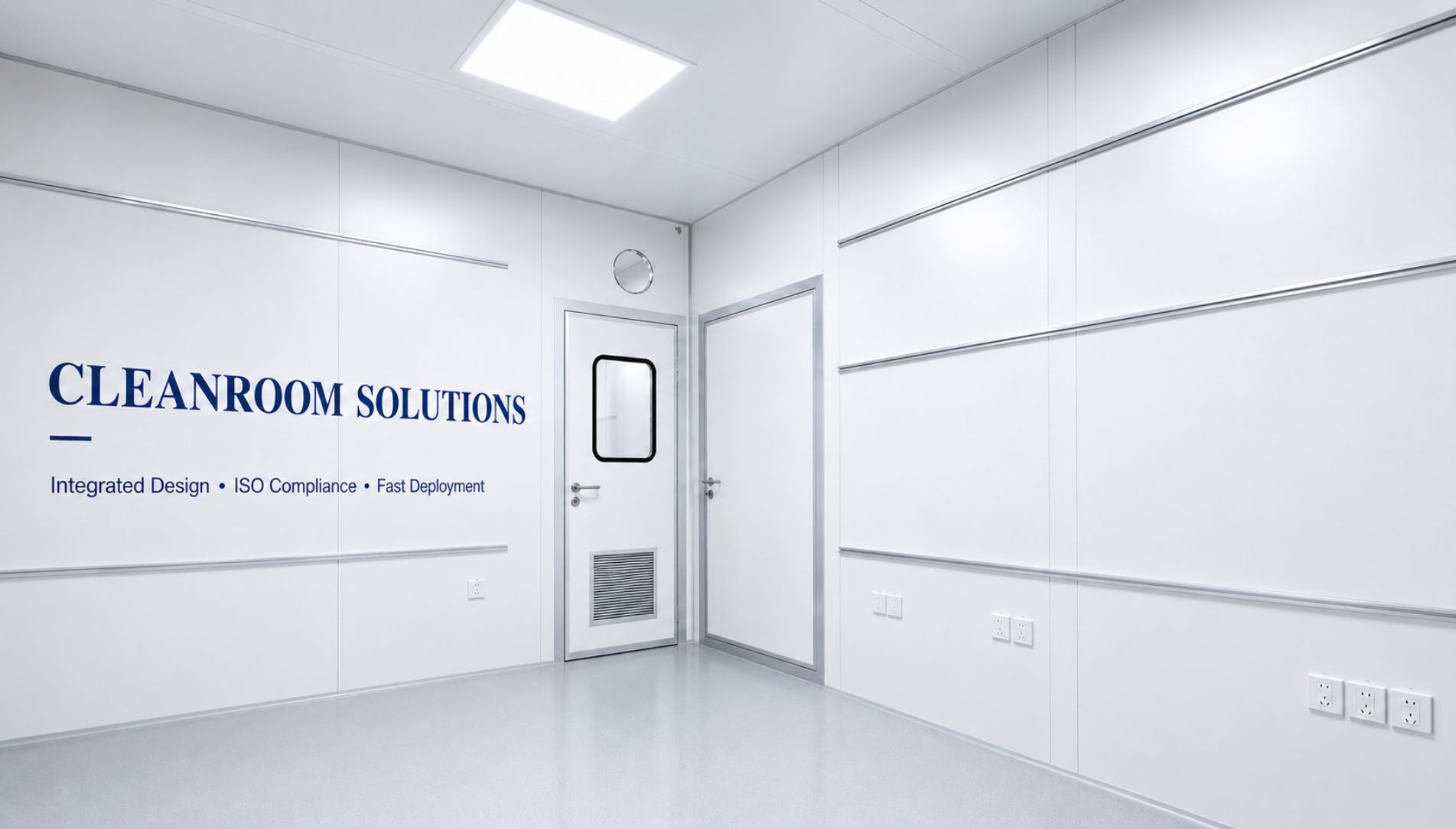
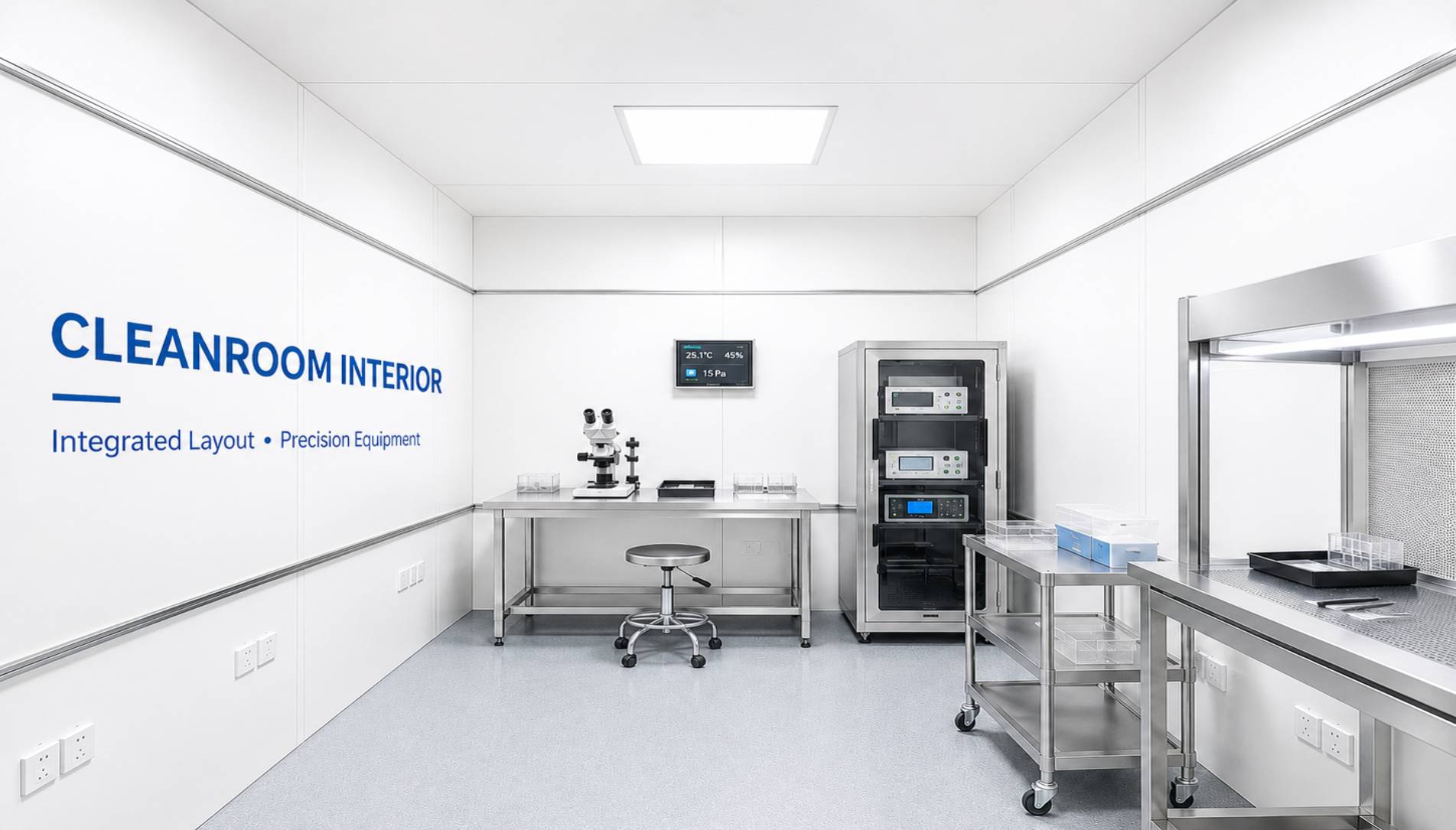
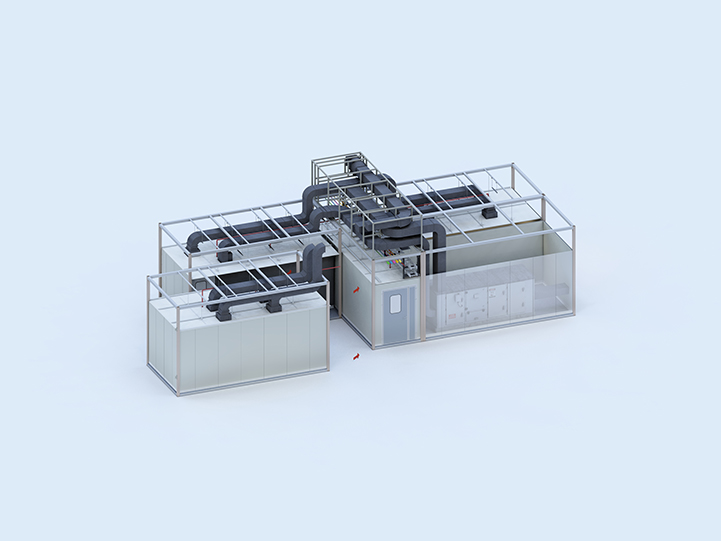
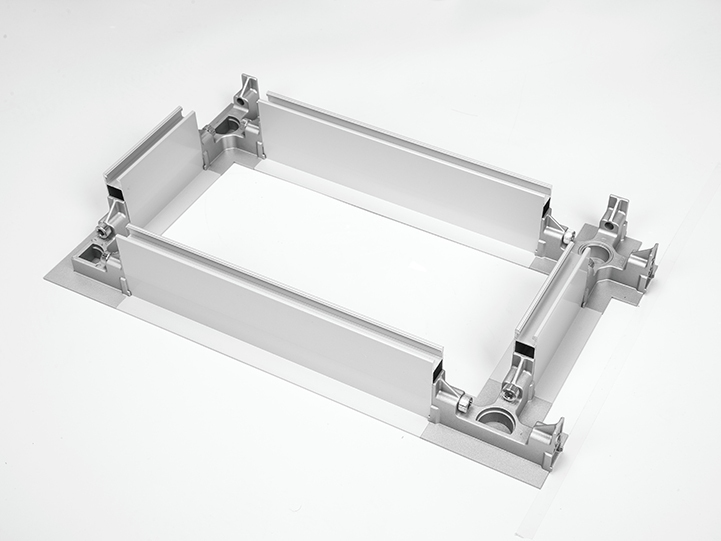
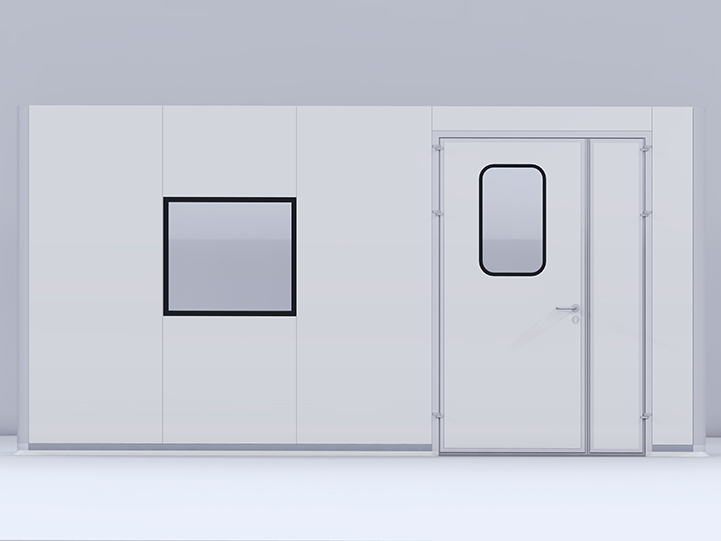
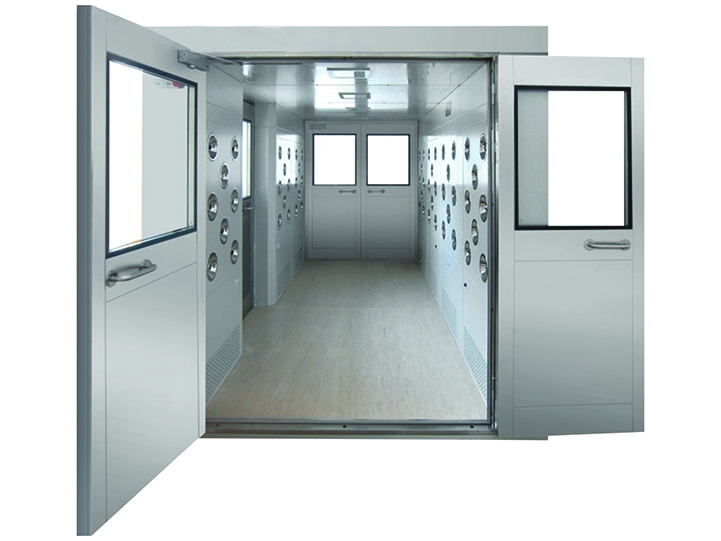
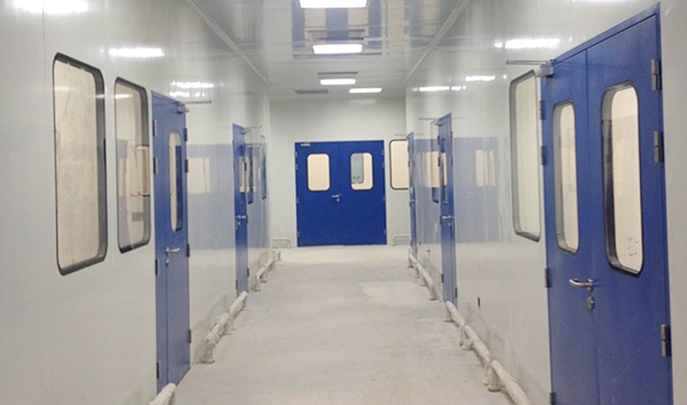
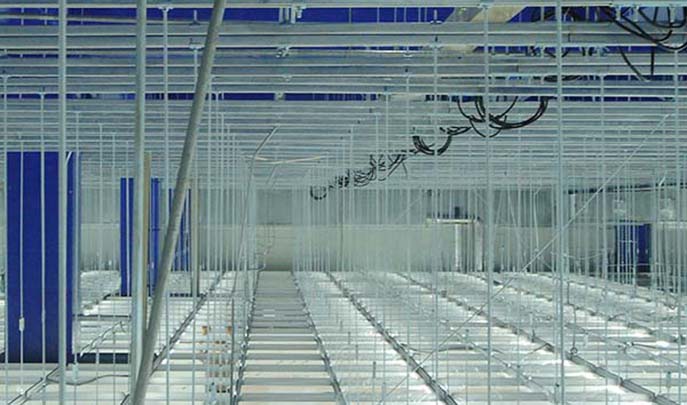
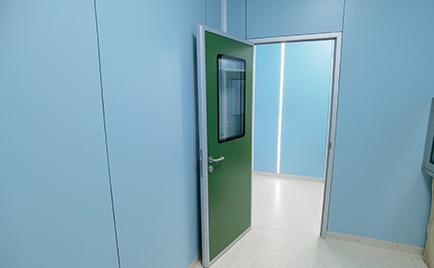
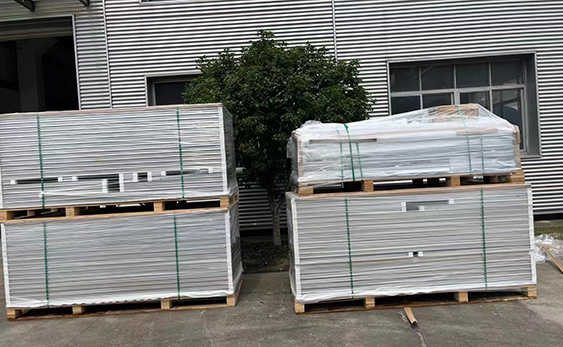
潔淨室產品:FFU天花板網格三明治面板、乾淨的房間門和Window -airShower、pashpassbox、comecover cover cover coper freate Quality Engineering並為客戶提供優質的產品。
.jpg)
.jpg)



2026
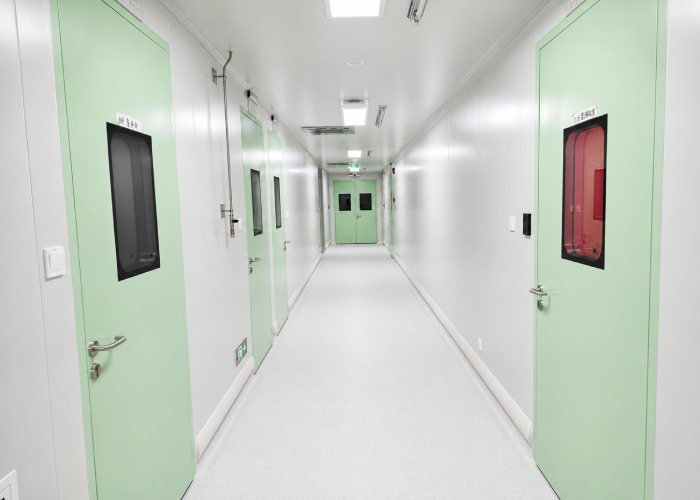
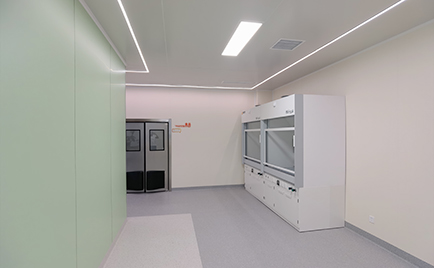
Project Case Study | Laboratory Animal Facility Chinese Academy of Sciences Shanghai Laboratory Animal Facility Project Case Study: Cleanroom Envelope and Environmental Control Interfaces A Wonclean project case for a Shanghai Chinese Academy of Sciences laboratory animal facility, focusing on cleanroom wall panels, cleanroom doors, controlled corridors, equipment interfaces and visible environmental monitoring. cleanroom wall system cleanroom panels cleanroom doors pass box Laboratory animal facilities are not ordinary cleanrooms. They must support animal welfare, research reliability, operator safety, controlled personnel flow, controlled material transfer and daily sanitation. In this Shanghai Chinese Academy of Sciences animal facility project, the cleanroom envelope was treated as an integrated engineering system rather than a collection of isolated panels and doors. Project photo. Controlled animal-facility corridor with cleanroom wall panels, cleanroom doors, viewing windows, return air grille and ceiling service interfaces. Project Snapshot A Multi-Discipline Animal Facility Package The reviewed project folder identifies a Shanghai Chinese Academy of Sciences project with laboratory animal room drawings, South Building 2 animal-room documentation, wall-panel manufacturing data, cleanroom door data and a broader CAD package covering architecture, process, electrical, power/HVAC, water supply and drainage, fire protection and information/BA systems. Confirmed project facts from reviewed local files and site photos. Item Confirmed detail Engineering value Project type Laboratory animal facility / animal room project in Shanghai. Requires cleanable rooms, controlled access, coordinated utilities and environmental control. Building area in project files South Building 2 animal-room drawings; 7F-9F animal-room related wall-panel documentation. Shows a multi-floor project scope rather than a single isolated room. Wall system 50 mm handmade purification panels with 0.5 + 0.5 mm custom white-gray steel sheet noted in the reviewed panel schedule. Supports cleanable walls, coordinated panel sizes and repeatable installation in controlled animal areas. Access control Cleanroom doors, observation windows, air shower / personnel entry interfaces and door schedules are present in project files or site photos. Helps separate clean corridors, rooms, support spaces and transfer paths. Environmental monitoring Site photo shows live monitoring fields for pressure differential, air changes, supply/exhaust airflow, temperature and humidity. Supports operational visibility for room status and HVAC balancing. Cleanroom Envelope Why Animal Facilities Need More Than Smooth Walls Animal-room wall panels must tolerate repeated wiping, disinfection, impact from carts and cage equipment, and frequent traffic at doors and corners. The reviewed panel schedule for this project lists 50 mm handmade purification panels with 0.5 + 0.5 mm color steel sheet construction. The ...
2026
Project Case Study | Malaysia Modular Cleanroom Genetek Malaysia Cleanroom Project Case Study: Modular Envelope, Air Shower, H13 HEPA Terminals and DX AHU Integration A Malaysia cleanroom project where Wonclean coordinated the modular cleanroom envelope, personnel air showers, flush vision windows, H13 terminal HEPA outlets and direct-expansion AHU requirements into one buildable project package. modular cleanroom cleanroom wall system air shower room cleanroom doors For a cleanroom project outside the supplier's home market, the real challenge is not only producing panels or shipping equipment. The project must connect drawings, fabricated wall modules, doors, air showers, terminal filtration, AHU capacity and site installation logic before the cleanroom reaches the customer facility. The Genetek Malaysia project is a useful example of how Wonclean turns those separate workstreams into a coordinated cleanroom package. Project photo. Front view of the Genetek Malaysia modular cleanroom envelope during workshop assembly and inspection. Project Snapshot What Was Coordinated for the Malaysia Cleanroom The available project package includes structural drawings, HVAC drawings, electrical drawings, a 3D model file, AHU equipment information and manufacturing order data. That matters because a cleanroom envelope is only reliable when the wall panels, openings, duct connections, electrical routes and access equipment are checked as one system. Project facts confirmed from the reviewed Genetek Malaysia manufacturing order and project file structure. Item Confirmed project detail Why it matters Project location Malaysia Supports export coordination, packaging, drawing control and site installation planning. Cleanroom envelope Modular wall system with integrated doors, windows and service interfaces. Reduces uncontrolled field cutting and keeps openings aligned with the drawings. Vision windows 3 sets, 980 x 1000 mm, double-layer glass, 5 mm glass, flush frame with desiccant. Improves visibility while reducing ledges and moisture risk inside glazing assemblies. Personnel air showers One three-door unit and one two-door unit, each 1200 x 900 x 2300 mm, stainless steel, single-side blowing. Controls gowning-area entry and helps reduce loose particles carried by personnel flow. Terminal HEPA outlets 6 sets, H13 filter specification, 500 m3/h per outlet, 200 x 200 mm connection. Connects filtration capacity with HVAC layout and room air distribution planning. AHU system TICA direct-expansion AHU, 2500 m3/h, 650 Pa static pressure, 19-25 C temperature control range. Shows that air volume, static pressure and temperature control were handled as project-level requirements. Modular Envelope A Cleanroom Shell Built Around Interfaces, Not Only Panels In a modular cleanroom project, the wall panel surface is only one part of performance. The harder details are at the edges: door frames, observation windows, ceiling transitions, duct penetrations, electrical service ro...
閱讀更多2026
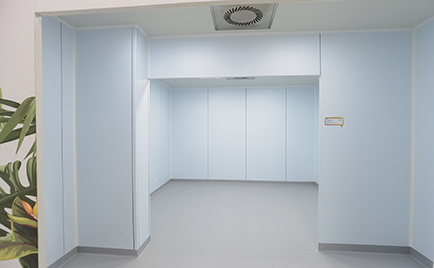
Technical Blog | Sterile Compounding Cleanrooms Modular Pharmacy Clean Rooms for Sterile Compounding: USP 797/800 Zoning, Negative-Pressure Rooms and Panel Selection Modular pharmacy clean rooms must connect sterile compounding workflow with pressure control, HEPA supply, cleanable panels, pass-through transfer and the separation logic required for hazardous and non-hazardous preparations. modular cleanroom cleanroom wall panels cleanroom doors pass box A pharmacy cleanroom is not simply a small laboratory with HEPA filters. It is a controlled compounding environment where room zoning, personnel flow, material transfer, pressure relationships and surface cleanability all affect contamination control. A modular approach can shorten construction time, but it does not reduce the need for regulatory planning. Real project photo. Pharmacy cleanroom zoning should separate support spaces, buffer rooms and controlled compounding areas with clear pressure relationships. USP Zoning Logic Separate Sterile Workflow Before Selecting Panels USP General Chapter <797> addresses sterile compounding standards intended to reduce risks such as contamination and infection. For facility planning, the key takeaway is that workflow and environmental control must be defined before the wall system is ordered. The project should map receiving, gowning, hand hygiene, staging, compounding, waste, cleaning and sample transfer. A modular pharmacy clean room can then be broken into cleanable room modules with doors, pass-throughs, HEPA diffusers and pressure monitoring already coordinated. For hazardous drug handling, the design must not assume that a positive-pressure sterile suite is enough. Containment and worker protection must be reviewed separately from sterile product protection. Pressure Cascade Negative-Pressure Rooms Require a Containment Mindset USP General Chapter <800> addresses hazardous drugs and aims to minimize exposure risk to healthcare personnel, patients and the environment. In practice, this means that hazardous compounding rooms need careful pressure relationships, exhaust strategy, access control and cleaning procedures. Modular pharmacy cleanroom planning matrix. Zone Primary concern Cleanroom design response Ante or support area Personnel transition and material staging. Cleanable panels, controlled doors and visible pressure monitoring. Sterile buffer room Product protection and HEPA-supplied clean air. Coordinated ceiling diffusers, sealed joints and low-shedding surfaces. Hazardous drug room Containment and exposure reduction. Negative-pressure layout, exhaust planning and dedicated transfer route. Pass-through interface Material transfer without uncontrolled door opening. Interlocked pass box, cleanable frames and documented cleaning access. Real project photo. Cleanroom doors, windows and ceiling supply points should be coordinated with the pressure cascade and compounding workflow. Panel Selection Cleanable Wall Panels Are Part of the...
閱讀更多2026
Technical Blog | Semiconductor Panel Engineering Cleanroom Panel Deflection Control for Semiconductor Fabs: Aluminum Honeycomb, Rockwool and Reinforced Frames In semiconductor fabs, panel deflection is not only a structural detail. Long-span cleanroom walls, walkable ceilings, door openings and equipment airflow can all turn small movement into seal stress, particle traps and qualification risk. cleanroom wall system cleanroom sandwich panel ceiling system modular cleanroom Cleanroom panel deflection control starts with a simple question: what movement can the room tolerate without losing surface integrity, pressure stability or cleanability? The answer depends on panel core, face skin, span, support spacing, ceiling loads, door and window openings, equipment vibration and the way the wall connects to the floor and ceiling. Real product photo. Aluminum honeycomb cleanroom panels are often selected where stiffness-to-weight ratio and dimensional stability are important. Deflection Risk Why Panel Movement Matters in Semiconductor Cleanrooms In a normal room, slight panel movement may only be an appearance issue. In a semiconductor cleanroom, deflection can affect joint sealant, door frame alignment, return air leakage, ceiling gasket compression and the long-term cleanability of wall-to-ceiling junctions. A panel that bows under load can also create ledges where particles settle. The design team should review panel span, core material, face sheet thickness, reinforcement, support method and service openings together. Long wall runs, tall partitions, walkable ceiling zones and heavy access panels need more attention than small enclosed rooms. ISO 14644-4:2022 frames cleanroom creation from requirements through design, construction and start-up. For panel deflection, that means structural and architectural requirements should be defined before panels are fabricated. Material Selection Aluminum Honeycomb Panel vs. Rockwool Sandwich Panel An aluminum honeycomb panel can provide high stiffness with lower weight, making it useful for large ceiling modules, tall partitions or cleanroom areas where flatness is critical. A rockwool sandwich panel is often considered when fire behavior, acoustic performance, thermal insulation and cost balance are important. Neither material is automatically better in every location; each must be matched to span, support and cleanroom risk. Panel deflection control logic for semiconductor cleanroom walls and ceilings. Panel strategy Best-fit use case Engineering check Aluminum honeycomb panel Long spans, lightweight ceiling panels and flatness-sensitive walls. Support spacing, edge closure, face sheet thickness and opening reinforcement. Rockwool sandwich panel Fire-rated or acoustic partitions where insulation is also required. Core density, joint compression, panel length and frame support. Reinforced frame Door openings, windows, pass-throughs and service penetrations. Load transfer path, anchorage, corrosion resistance a...
閱讀更多













































 上海市青浦區外青松公路7548弄588號
 Info@wonclean.com
Allen@wonclean.com
Joy@wonclean.com
Info@wonclean.com
Allen@wonclean.com
Joy@wonclean.com
 +86 13671979988(Allen)+86 15950938878(Joy)





 線上服務
線上服務

